Safety Helmets for Construction: A Complete Guide to Types, Standards, and Selection
 Super Admin
 13/03/2026 08:14 AM

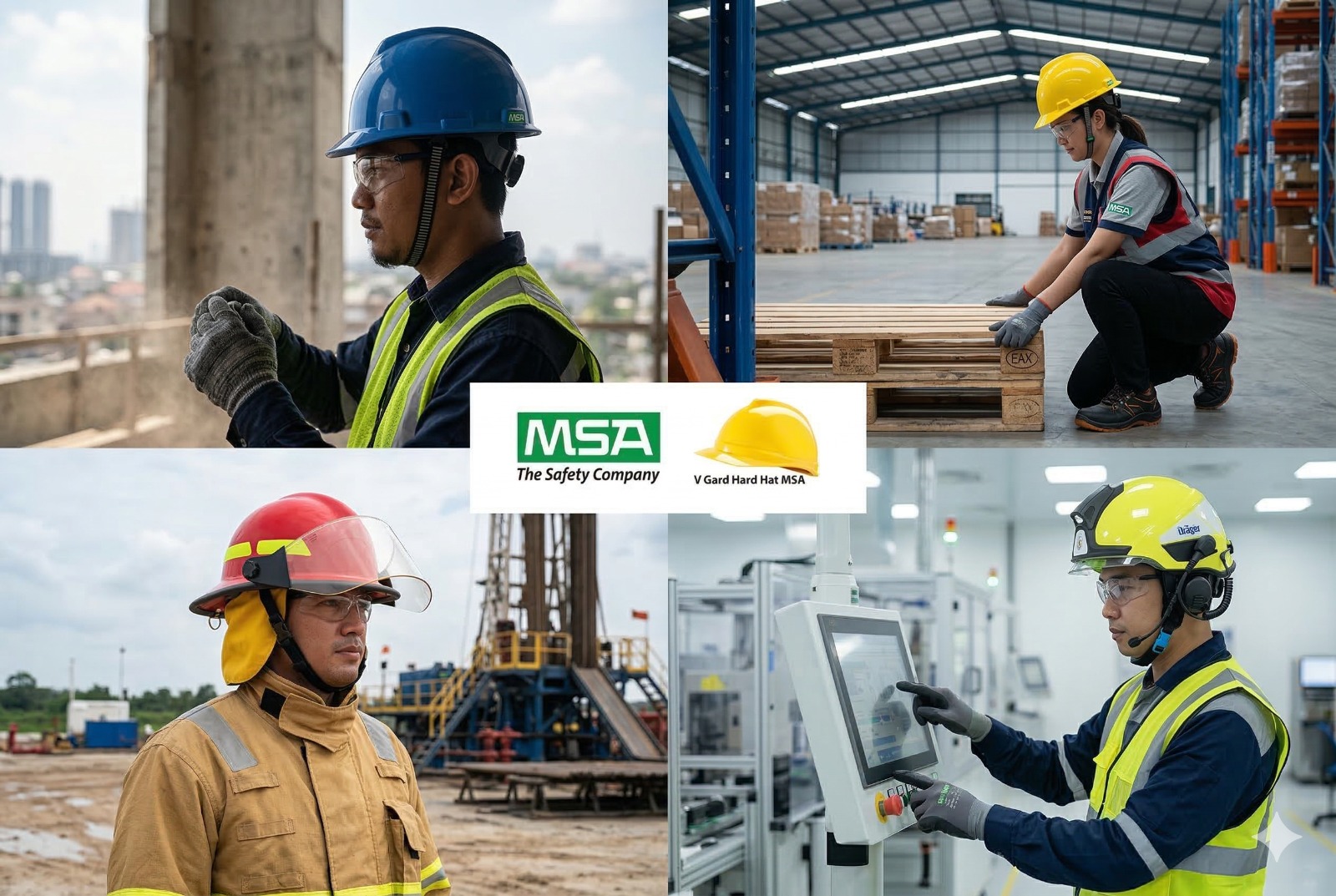
Safety helmets are the most fundamental Personal Protective Equipment (PPE) in construction, manufacturing, mining, and heavy industrial projects. However, a common mistake many companies make is selecting a construction helmet based solely on price or color—ignoring the critical factor of hazard-specific certification.
Head injuries remain one of the leading causes of workplace fatalities. In this comprehensive guide, we will break down everything you need to know to ensure your team is protected by the right standards.
Why Safety Helmets are Critical for Your Business
A helmet is not just a project accessory; it is an engineered impact protection system. Failing to provide the correct helmet can lead to:
- Severe Medical Trauma: Including traumatic brain injuries.
- Legal & Financial Liabilities: Non-compliance with OHS (K3) regulations.
- Project Downtime: Fatal accidents can halt operations for weeks.
Understanding Safety Helmet Types
Not all impacts are the same. Standards like ANSI Z89.1 and EN 397 categorize helmets into two primary types:
- Type I Helmets: Designed specifically to reduce the force of impact resulting from a blow only to the top of the head (e.g., a tool falling from directly above).
- Type II Helmets: Engineered to reduce the force of impact from blows to the top, front, back, and sides (lateral impact). This is crucial for workers in dynamic environments where swinging objects or falls are a risk.
Electrical Classes: Choosing the Right Insulation
Selecting the wrong electrical class can be a fatal error in industrial settings. Ensure your helmet matches the electrical risks of your site:
- Class G (General): Tested to withstand up to 2,200 volts. Ideal for general construction.
- Class E (Electrical): Tested to withstand up to 20,000 volts. Essential for high-voltage electrical work.
- Class C (Conductive): Provides no electrical protection. Typically vented for breathability, used only where electrical hazards are absent.
Crucial Components & Maintenance
A safety helmet consists of more than just a hard shell. To maintain its integrity, you must inspect:
- The Suspension System: The internal harness that absorbs the energy of an impact.
- The Outer Shell: Must be free of cracks, dents, or chemical degradation.
- The Expiration Date: Most industrial helmets have a lifespan of 2 to 5 years depending on the material (HDPE or ABS) and exposure to UV rays. Always replace a helmet immediately after it has sustained a significant impact, even if no damage is visible.
How to Choose the Right Safety Helmet (Checklist)
How to Choose the Right Safety Helmet (Checklist)
- Identify Hazards: Do you face vertical risks, lateral impacts, or electrical hazards?
- Verify Certification: Look for SNI, ANSI Z89.1, or EN 397 stamps inside the shell.
- Prioritize Comfort: Opt for lightweight designs with adjustable ratchets and proper ventilation to ensure worker compliance.
- Accessory Compatibility: Ensure the helmet supports attachments like ear muffs, face shields, or headlamps.
Partner with a Trusted Safety Helmet Supplier
Choosing the right safety helmet protects your most valuable asset—your workers. It also ensures regulatory compliance and strengthens your company’s reputation. At Berkat Safety, we provide a wide range of certified safety helmets tailored to your specific industrial risks. Don't compromise on safety. or contact our specialist team for a technical consultation on the best protection for your project.