Industrial Respirator Masks: Functions, Types, and How to Choose the Right One (Complete Guide 2026)
 Super Admin
 27/03/2026 08:49 AM

Every day, millions of industrial workers are exposed to hazardous air without even realizing it. Fine dust, toxic gases, and chemical vapors can enter the lungs, causing serious long-term health damage.
The problem is that many workers still rely on standard surgical masks, which are not designed for high-risk work environments. This is where the industrial respirator mask becomes a vital piece of respiratory protective equipment, providing maximum filtration and safety.
In this guide, we will explore the definitions, functions, types, and tips for choosing the best respirator for your industrial needs.
What is an Industrial Respirator Mask?
A respirator mask is a type of Personal Protective Equipment (PPE) designed to protect the wearer from various airborne contaminants, such as:
- Microscopic dust and particles
- Toxic gases
- Chemical vapors
- Industrial fumes/smoke
Unlike regular masks, respirators feature specialized filtration systems capable of filtering out harmful particles at a microscopic level.
Key Functions of Respirator Masks in Industry
1. Protection from Hazardous Particles
Respirators effectively filter:
- Construction dust
- Metal filings/shavings
- Fine industrial particulates
2. Protection from Gases and Chemical Vapors
With specific filter cartridges, respirators protect against:
- Organic vapors
- Toxic gases
- Acidic chemical mists
3. Prevention of Respiratory Diseases
Long-term exposure without a respirator can lead to:
- Permanent lung damage
- Acute Respiratory Distress Syndrome (ARDS)
- Chronic occupational illnesses
4. Improving Safety and Productivity
A safe working environment leads to:
- Higher worker productivity
- Operational efficiency
- Increased workforce confidence and morale
Common Types of Respirator Masks
- Particulate Respirators (N95, P95, R95): Used primarily for dust, smoke, and micro-particles.
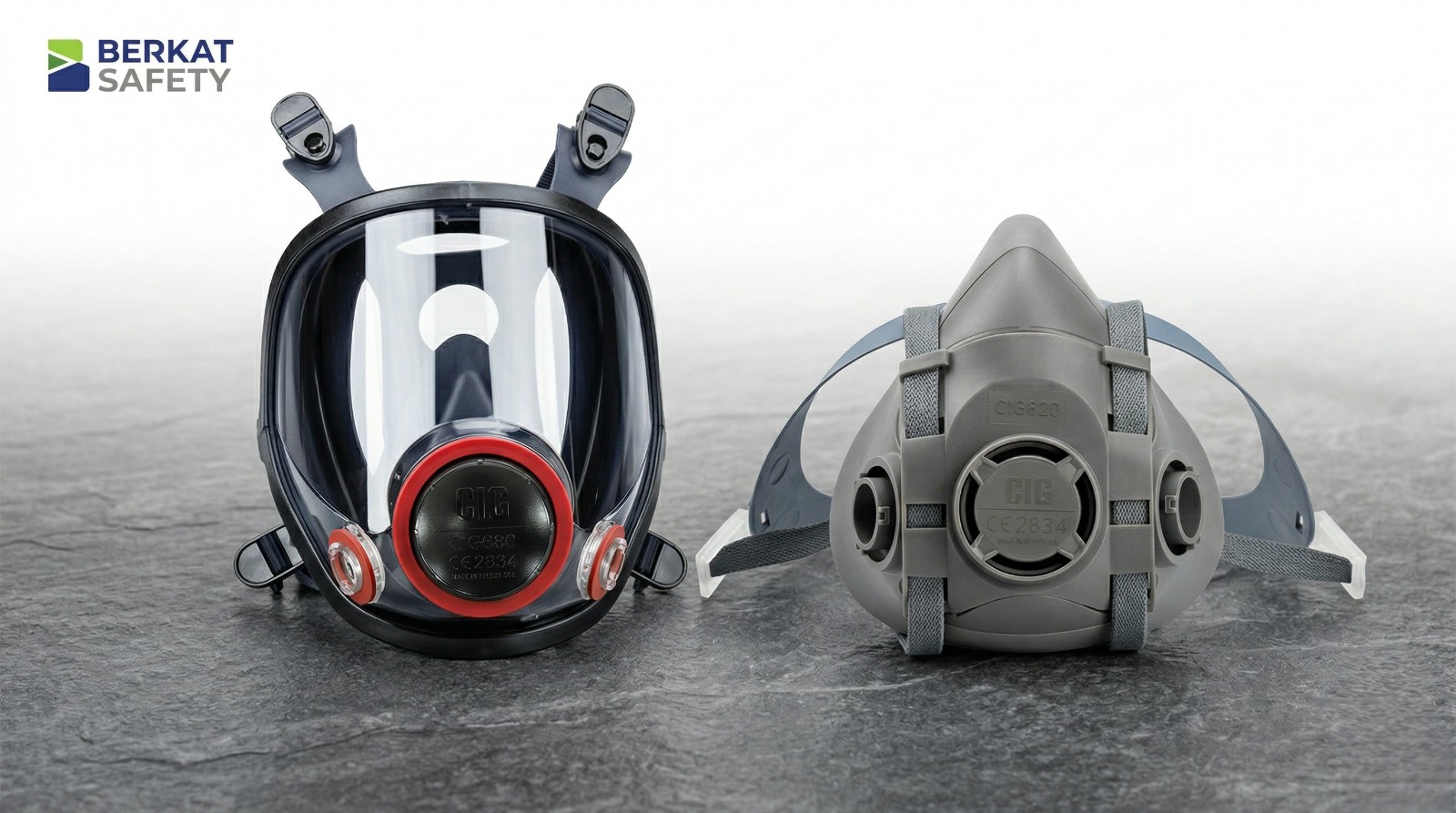
- Half-Face Respirators: Covers the nose and mouth. These use replaceable filter cartridges and are ideal for moderate exposure.
- Full-Face Respirators: Protects the entire face, including the eyes. Recommended for extreme environments or highly irritating chemicals.
Industries That Require Respirator Use
The use of respirator safety gear is critical in several sectors:
- Construction and Demolition
- Manufacturing and Assembly
- Chemical Processing
- Mining
- Oil & Gas
These environments have high levels of hazardous air exposure that standard masks simply cannot handle.
The Risks of Neglecting Respiratory Protection
Without proper protection, workers risk:
- Permanent lung scarring (Fibrosis)
- Chronic respiratory disorders
- Gas poisoning/toxicity
- Decreased work performance
Note: These risks are often "silent." You may not feel the damage immediately, but the long-term impact can be life-altering.
How to Choose the Right Industrial Respirator
- Identify the Hazard: Use N95/P95 for dust. Use specialized cartridges for chemical gases.
- Check Safety Standards: Ensure the product meets NIOSH or EN Standards.
- Evaluate the Environment: Consider if the work is indoors/outdoors, the level of pollution, and the duration of use.
- Prioritize Fit and Comfort: A respirator must have a tight seal (no leaks) and be comfortable for long shifts.
- Invest in Quality: High-quality products offer better protection, longer durability, and higher cost-efficiency.
Common Mistakes in Respirator Use
- Using surgical masks in hazardous zones.
- Failing to replace filters periodically.
- Choosing the wrong type of filter for a specific gas.
- Ignoring the "fit test" to ensure a proper seal.
FAQ: Industrial Respirator Masks
What is the difference between a respirator and a regular mask? Respirators have specialized filtration systems and meet industrial safety standards, while regular masks are only for general hygiene.
When should I use a respirator? Whenever you are working in environments containing dust, smoke, gas, or hazardous chemical vapors.
Is an N95 mask enough for industrial work? It depends. While great for dust, N95 masks do not protect against chemical gases. For chemicals, you need a respirator with a specific gas cartridge.
How long can a respirator be used? This depends on the environment. Filters must be replaced as soon as breathing becomes difficult or if you can smell/taste the contaminant.
The Best Respirator Solution for Your Industry
Choosing the right gear is the most important step in workplace safety. If you need high-quality industrial respirator masks, ensure your products are:
✅ Internationally certified
✅ Compatible with various filter types
✅ Suitable for your specific industry
✅ Readily available in stock
Protect Your Team Before It’s Too Late Airborne hazards are often invisible, but the damage is permanent. Use CIG Respirator Masks from Berkat Safety for maximum workplace protection.
Why choose us?
✔ International Safety Standards
✔ Complete range of masks and filters
✔ Ready stock for immediate shipping
✔ Free safety consultations
👉 Contact us now for a consultation and get the best quote.
👉 Our team is ready to help you find the perfect safety solution.
Industrial respirator masks are a critical pillar of any safety management system. By choosing the right equipment, you protect your workers and ensure the long-term sustainability of your business.